What Gets Lost When We Stop Seeing Individuals?
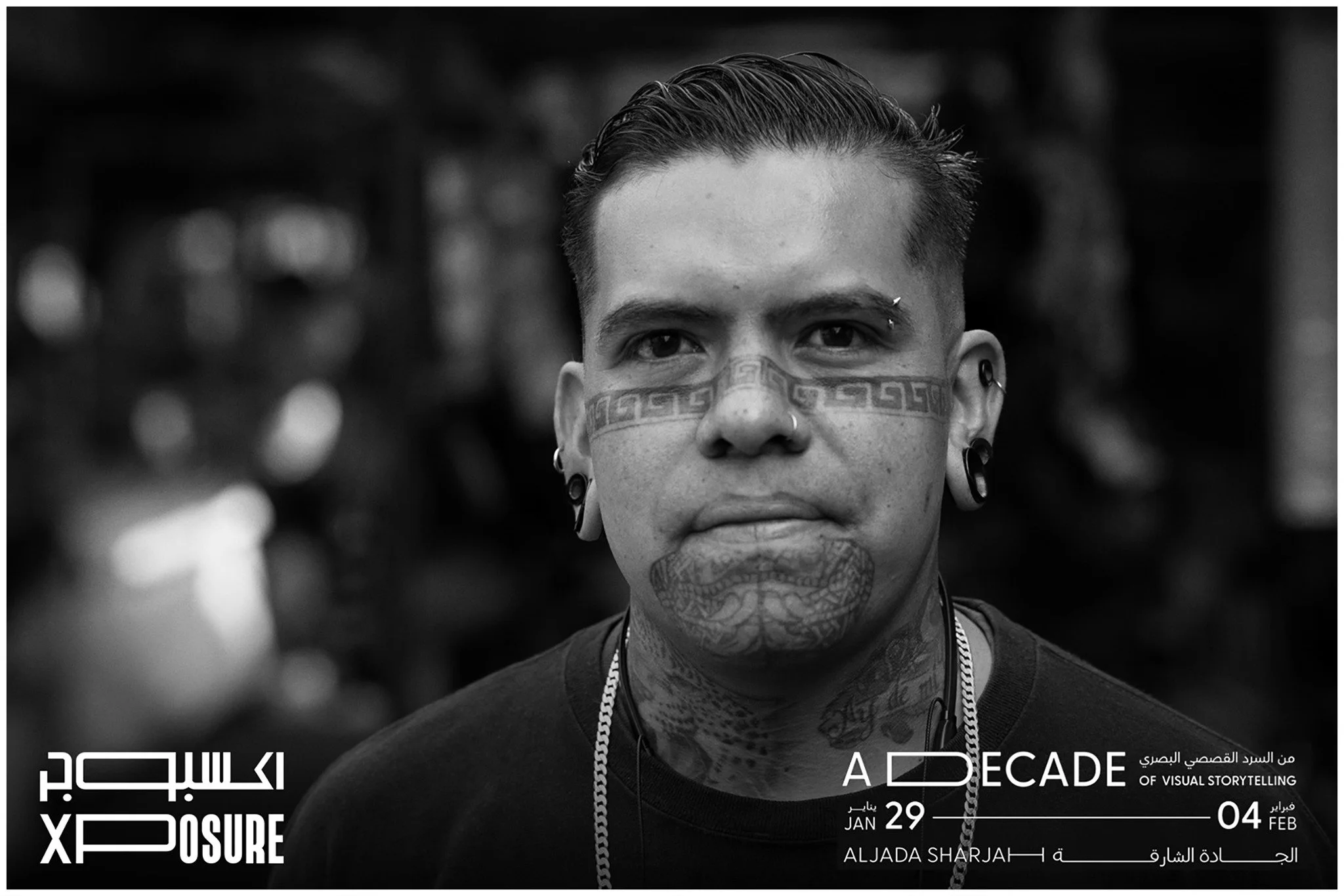
This project has always carried politics in its bones, but it did not begin with generative AI or the current wave of synthetic imagery. It began earlier, from living in Mexico, being married to a Mexican woman, raising children who hold Mexican passports, and feeling what it means when a public narrative turns your family’s identity into a talking point.
In the run up to and during Trump’s first term, Mexican people were repeatedly described in ways that were crude, incendiary, and dehumanising, as if an entire population could be collapsed into a single accusation. There was little room in that rhetoric for nuance, for ordinary lives, for the countless ways immigrants contribute to the fabric of the United States, quietly and constantly, in ways both visible and unseen. That tone has returned. It is familiar. It is intentional. It is still built on distortion, and it still causes harm.
The Faces of Mexico is not a slogan in response. It is a refusal. These portraits, whether photographed or generated, insist on presence. They ask the viewer to confront a basic problem of our moment: that truth is no longer something we can assume an image will carry for us. The work does not offer certainty or easy moral sorting. It offers faces. It asks you to look again, to notice your own reflexes, and to decide whether you are seeking truth or simply reaching for what confirms what you already believe. In a time when narratives are engineered to divide and simplify, that insistence on careful looking becomes its own kind of confrontation.